
How to Spot Fake HMDD Mesh Shorts Read Before Buying
Layering Alongside HMDD: Building Outfits Based On Sweatpants and Shorts
Layering is often treated like a winter necessity, a task reserved for surviving the coldest months rather than a tool for constructing a genuine outfit. Such an approach gets it wrong from the start, most notably when the starting pieces are HMDD sweatpants and HMDD shorts. Happy Memories Don’t Die has built a clothing approach around comfort-forward shapes that keep their form in a fit, and this balance is exactly what makes layering around them so doable. You’re not wrestling with heavy material or fighting a branding element that overwhelms the look. You’re building around clean lines that let a hoodie, a jacket, or a simple tee carry the visual weight up top while the bottoms anchor the outfit below.
This article unpacks how to actually build layered outfits around HMDD sweatpants and HMDD shorts across different seasons, occasions, and proportions. We’ll cover fabric weight, color stacking, and the fine styling decisions that separate a thrown-together fit from one that looks purposeful. If you’ve read an hmdd review or two and are still unsure how the pieces translate into daily rotation, this is the practical follow-up.
Why HMDD Bottoms Perform as a Layering Base
Most layering discussions focus on the top half — jackets, flannels, vests — and treat the bottom half as an overlooked detail. That’s a miscalculation with HMDD clothing in particular, because the brand’s sweatpants and shorts are cut with enough intention that they serve as a structural centerpiece, not just a throwaway item. A slim-cut sweatpant leg or a shorts cut that holds a steady black hmdd shorts hemline gives you a predictable base to work off of, which is more important than most assume when you’re layering three or four garments in one outfit.
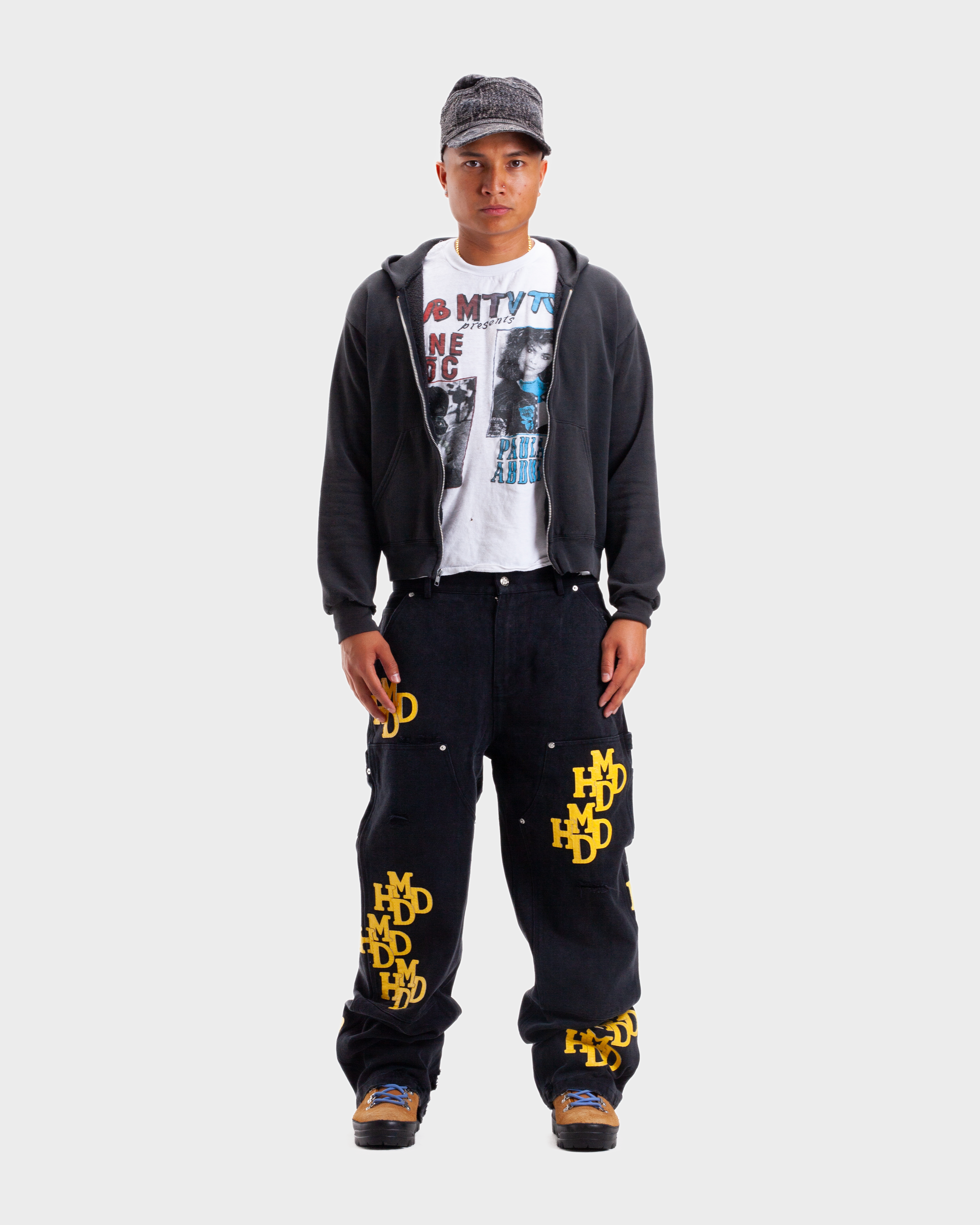
Think of it in terms of proportion math. When the bottoms lack structure and sit loose, whatever you layer above has to counterbalance — either tighter or shorter — otherwise the entire look ends up shapeless. HMDD sweatpants typically narrow toward the ankle, which means you can layer a longer overshirt or an roomy hoodie on top without the shape falling apart into shapeless fabric. The same logic applies to HMDD shorts in the summer season — a clean hem and consistent rise mean you can layer a lightweight jacket or a button-up over a tee without the bottom half fighting the top half for attention.
There’s a fabric-based case to be made as well: denser fleece-weight sweatpants hold a crease and a shape better than thin cotton-poly blends do, meaning both their look in photos and their day-long performance improve. This is one reason why hmddla has become shorthand in online conversations for people specifically hunting the label’s LA-tinged, streetwear-leaning items — a flat product photo just doesn’t convey how the fabric’s weight and drape feel in real life, and once you’ve handled it, the layering logic makes more sense.
Cold-Weather Layering Around HMDD Sweatpants
Treat the sweatpant as your anchor piece and stack upward in three tiers: an inner tee, a middle hoodie or crewneck, and an outer coat. Most cold-weather streetwear outfits rely on this three-layer framework, which succeeds because each piece has a clear role. Close to the skin, the base tee manages temperature. The hoodie contributes volume plus a graphic or branding moment. Whether it’s a shell, a denim trucker, or a coach jacket, the outer jacket shapes the silhouette when viewed from afar.
In the specific case of HMDD sweatpants, the slim-tapered shape means you can go heavier on top without the outfit reading as top-heavy. Combining a drop-shoulder hoodie and a mid-length puffer with HMDD sweatpants produces a purposefully loose-up-top, snug-below shape that’s been dominant in streetwear styling for several years running and isn’t fading anytime soon heading into 2026. The critical proportion to monitor is the hoodie’s length against the jacket’s — if your hoodie hem falls more than two or three inches below your jacket hem, the layering reads as sloppy rather than intentional. Keep that gap tight and the whole fit locks into place.
Sequencing your colors is just as important as the fit itself. A three-layer cold-weather outfit built around HMDD sweatpants should generally move from dark to light or light to dark as you go from bottom to top, rather than jumping between unrelated tones at each layer. Charcoal sweatpants with a heather grey hoodie and black shell gives an intentional impression. That same charcoal sweatpant paired with a bright graphic hoodie and olive jacket comes off as haphazard, unless you’re specifically going for a clash aesthetic, which is a different styling exercise altogether.
How to Layer HMDD Shorts in Warm Weather
Layering shorts sounds counterintuitive until you separate “layering” from “adding bulk.” During warmer months, layering with HMDD shorts focuses on building visual depth while avoiding extra warmth — a lightweight overshirt, an unbuttoned short-sleeve button-up over a tank, or a mesh jersey worn open over a plain tee. Every one of these options introduces an extra textural layer to the look while keeping heat from building against the skin.
A continuous vertical line is the real trick with shorts-based fits — the eye shouldn’t pause at the knee. A longer open layer — a layer that lands to mid-thigh or slightly higher than the shorts hem — builds a sense of flow between the top and bottom halves instead of a noticeable disconnect at the waist. It’s one of the most typical errors in hot-weather streetwear dressing: a boxy, cropped tee paired with shorts and nothing else can look unresolved, while that identical pair of shorts paired with a somewhat lengthier open shirt layered over the tee comes together right away.
Shoes carry a lot of the styling weight in shorts-based outfits too, more than most people realize. Because there’s more visible leg, the sock height and shoe silhouette factor into the overall layering logic whether you mean to or not. A no-show sock worn with a chunky sneaker lengthens the leg; swapping in a crew sock with that same shoe compresses the leg visually. If you’re building a fit around HMDD shorts for a warmer month in 2026, treat the sock choice as a fourth layer, not an afterthought.
Mixing Sweatpants and Shorts Into One Rotation
Hardly anyone commit to just sweatpants or just shorts — the majority keep both in rotation and need a system for deciding between them each morning without the daily debate. The easiest approach is sorting by degree threshold: below a certain degree threshold, sweatpants; above it, shorts, with a middle range where both options are viable depending on the top-half layering plan.
A practical band for most climates looks like this: below 55°F, sweatpants become the default. In the 55°F-to-68°F range, it’s a toss-up decided by activity level and how many layers you’re wearing up top. Past 68°F, shorts become the default unless you’re deliberately styling around air conditioning or a cooldown in the evening. It’s not a hard-and-fast rule, but it removes the daily back-and-forth and frees you up to focus styling energy on the top-half layering instead of relitigating the bottom half every time you get dressed.
The other piece of mixing sweatpants and shorts into one wardrobe is keeping the color story consistent. When your HMDD sweatpants and HMDD shorts sit in a similar color range — greys, blacks, muted earth tones — your top-layer pieces become interchangeable across both, which essentially doubles your possible fit combinations without doubling your closet. It’s the same logic behind capsule wardrobes, and it applies just as well to a streetwear-leaning rotation as it does to a minimalist rotation.
Layering Strategies Compared Across the Seasons
| Season | Innermost Piece | Middle Layer | Outer Layer | Lower-Body Item |
|---|---|---|---|---|
| Winter | Long-sleeve top | Thick hoodie | Puffer jacket or shell layer | HMDD-brand sweatpants |
| Spring | Short-sleeve top | Light crewneck | Denim or coach jacket | HMDD sweatpants |
| Summer | Tank or tee | Open short-sleeve shirt | Nothing or a mesh jersey | Shorts from HMDD |
| Fall | Tee | Flannel shirt or overshirt | Lightweight jacket | HMDD sweatpants or shorts |
Wrapping Up: How to Build a Rotation That Works Together
People scanning hmdd review threads before committing to a purchase are usually trying to answer one question: will it serve as a wardrobe staple, or is it a one-look piece that gets buried in a drawer? Looking at the way the sweatpants and shorts are constructed, in truth, they’re built to be a supportive base layer for many top-half pairings, not a loud, attention-demanding statement piece. Consider that high praise, not a dig — great base-layer garments are the ones you eventually forget about, precisely because they function so seamlessly.
If 2026 marks your first time shopping HMDD, resist the urge to buy one pair of sweatpants or shorts and call it done. Effective layering calls for a minimum of two bottom-weight options and two to three top layers that can be mixed and rotated, and top HMDD picks tend to be the garments that coordinate well with existing pieces instead of the boldest item in the range. Start simple: a neutral sweatpant, a neutral short, two or three top-layer combos for each, then let the rotation naturally expand — good memories stick around, much like a wardrobe system that gets real use instead of sitting untouched on a hanger
